Otto Krause · 24 September 2026
Storm Analytics Shape Pilot Training for Approach Lighting Adjustments at Expanding Airport Hubs
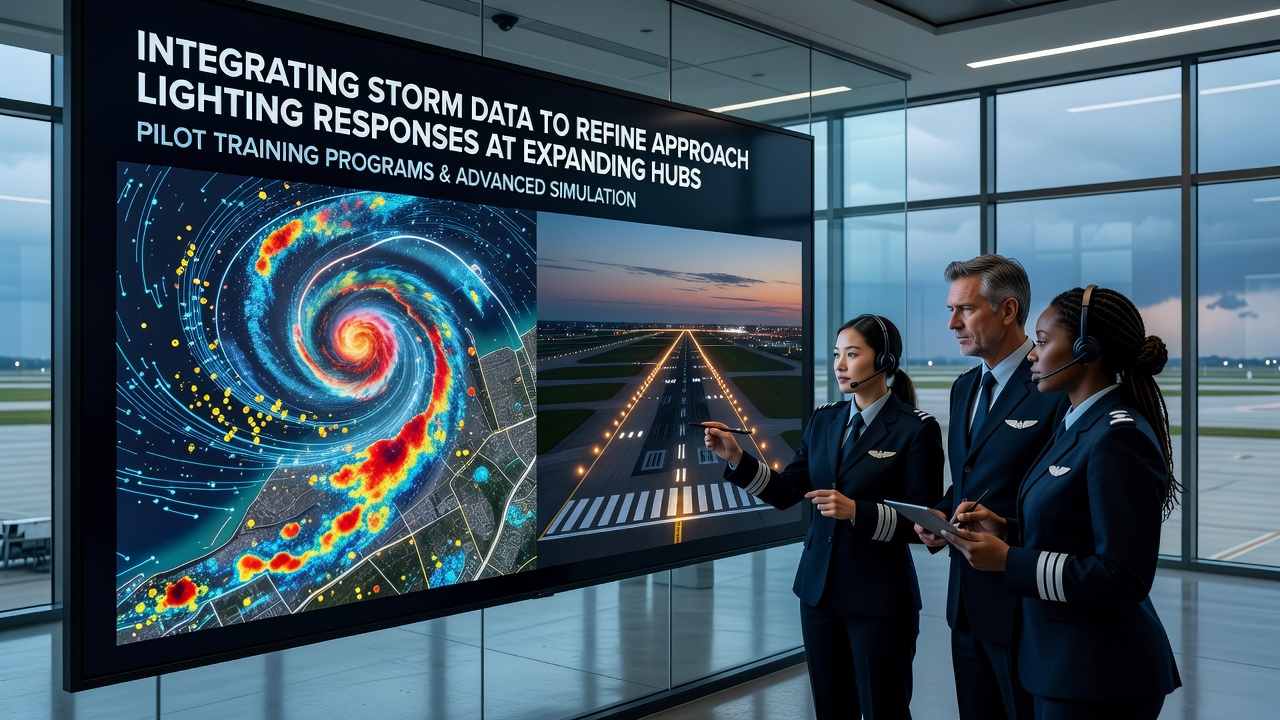
Airport hubs across multiple continents continue to expand their runways and terminal capacity while pilot training programs incorporate storm data feeds directly into simulation environments that test approach lighting responses during severe weather sequences. These integrations allow trainees to practice adjustments to lighting configurations based on live meteorological inputs rather than static scenarios alone.
Core Components of Data Integration in Training Modules
Training centers connect radar systems and satellite feeds from national weather services into flight simulators so that pilots encounter dynamic storm cells affecting visibility thresholds for approach lighting sequences. Data streams update every few minutes during sessions and trigger corresponding changes in simulated runway edge lights plus threshold indicators which respond according to intensity levels recorded in actual events.
Programs at facilities serving growing hubs in North America and Europe now require pilots to log specific hours responding to these variable conditions before advancing to live operations. Instructors track metrics such as reaction time to lighting intensity shifts and decision accuracy regarding go-around procedures when storm data indicates sudden wind shear near the runway.
Case Examples from Operational Hubs Under Expansion
One major facility in the Midwest United States expanded its parallel runways in 2024 and paired the project with updated simulator protocols that pull storm data from the National Weather Service. Trainees review archived events from 2023 where heavy precipitation altered lighting response patterns then replicate those conditions in controlled sessions.
Similar efforts appear at airports in Australia where CASA coordinates with training providers to embed regional thunderstorm datasets into curricula focused on approach lighting calibration. Pilots practice interpreting real-time updates that affect strobe and sequenced flash systems during crosswind events common to those locations.
European centers tied to expanding gateways have adopted parallel frameworks through EASA guidelines that emphasize data fusion between storm tracking and lighting control software. These modules run on schedules that include full integration testing ahead of September 2026 when several new runway extensions come online simultaneously.
Technical Mechanisms Behind the Integration Process
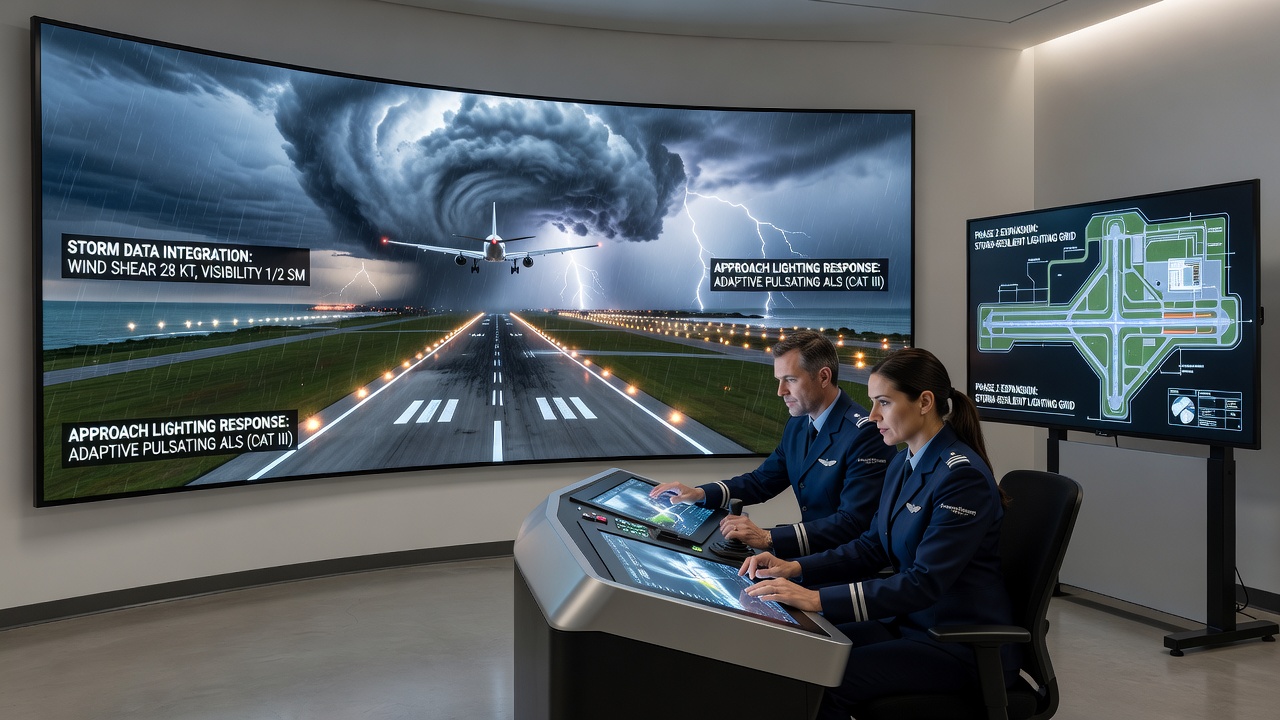
Simulators receive formatted data packets from meteorological networks that include precipitation rates wind vectors and cloud base heights then map those values onto lighting response algorithms. When a storm cell approaches the simulated threshold the system automatically dims or intensifies specific light banks to match documented performance under comparable real-world conditions.
Software interfaces allow instructors to pause sessions and overlay historical storm tracks so trainees compare their responses against recorded outcomes from previous incidents. This feedback loop refines decision trees that pilots apply when actual storm data arrives via datalink during final approach segments.
Hardware upgrades at training sites include high-resolution displays that render lighting arrays with pixel-level accuracy based on the incoming weather parameters. Maintenance logs from these systems show reduced calibration errors after the storm data layer was added compared with earlier static lighting models.
Regulatory Alignment and Timeline Considerations
International standards from bodies such as ICAO encourage member states to align training requirements with evolving weather data capabilities at expanding facilities. Several jurisdictions have issued advisory circulars that reference the same integration techniques now appearing in simulator certification checklists.
Observers note that programs targeting September 2026 deadlines will need to demonstrate full storm data compatibility during audits before new runway lighting installations receive final approvals. This timeline aligns with broader infrastructure rollouts already underway at multiple hub sites.
Conclusion
Integration of storm data into pilot training continues to evolve alongside physical expansions at major airport hubs and produces measurable improvements in how crews manage approach lighting responses under variable conditions. Continued adoption of these methods across regions supports consistent safety outcomes as traffic volumes rise at the affected facilities.