Alex Werner · 10 September 2026
Solar Integration Projects Transforming Airport Lighting Efficiency Worldwide
Airport lighting systems have long relied on conventional power sources that consume substantial electricity while supporting critical operations such as runway illumination and taxiway guidance, yet recent investigations into solar integration reveal measurable reductions in energy use across multiple facilities. Researchers at various international aviation bodies have documented how photovoltaic arrays paired with LED fixtures deliver consistent performance even during variable weather conditions, and data from completed installations indicate annual savings that range from 30 to 60 percent depending on geographic location and system scale. These findings emerge from coordinated studies that track both immediate consumption metrics and long-term maintenance requirements, showing that solar components often require fewer replacements than traditional grid-dependent setups.
Current Energy Demands in Airport Lighting Infrastructure
Runway and apron lighting accounts for a notable share of total electricity expenditure at medium and large airports, with continuous operation through night hours and adverse weather driving baseline loads that can exceed several megawatt-hours daily. Observers note that older incandescent and early-generation LED arrays still draw significant power from central grids, particularly when backup generators remain on standby for redundancy, while newer solar-hybrid designs reduce this dependency by capturing onsite renewable resources during daylight periods. Studies compiled by transport ministries in North America and Europe demonstrate that lighting alone can represent up to 15 percent of an airport's non-terminal energy profile, prompting operators to examine integration options that align with broader sustainability targets set for the coming decade.
Technical Approaches to Solar Integration
Engineers typically mount photovoltaic panels on unused airfield land or terminal rooftops, routing generated power through inverters directly to lighting control centers equipped with battery storage for overnight use. This configuration allows systems to operate independently during grid outages, and field tests conducted since 2023 confirm that lithium-ion banks sized appropriately maintain full runway brightness for at least eight consecutive hours. Additional sensors monitor irradiance levels and automatically adjust output, ensuring compliance with visibility standards established by regulatory authorities. What's interesting is how modular designs permit phased rollouts, letting smaller regional airports begin with partial coverage before expanding arrays as budgets allow.
Documented Efficiency Gains from Recent Installations
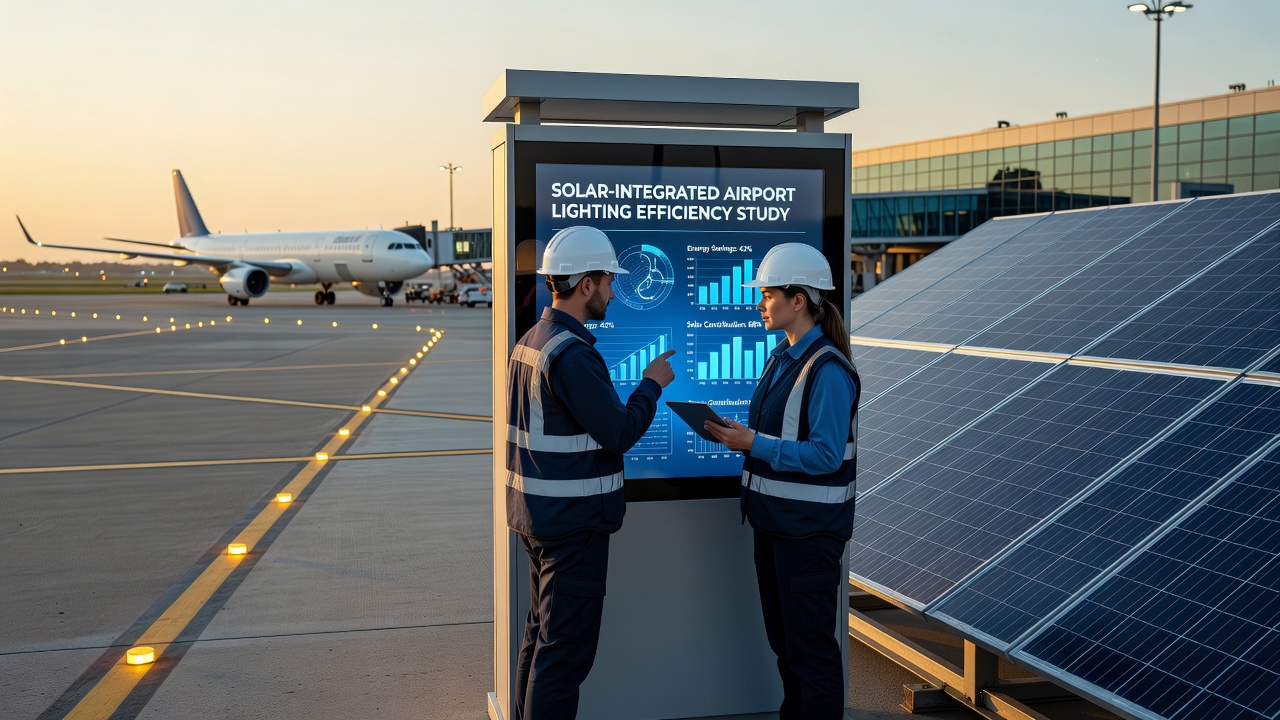
One installation at a mid-sized Canadian facility reported a 42 percent drop in lighting-related electricity purchases within the first full year of operation, according to transport ministry records, while similar projects in Australia achieved comparable results after accounting for seasonal sunlight variations. Data indicates that maintenance crews spend less time replacing bulbs because LED units paired with solar last longer under controlled voltage conditions, and downtime incidents tied to power fluctuations have declined measurably. Figures released by the International Civil Aviation Organization highlight that airports adopting these hybrid setups often meet or exceed internal carbon-reduction milestones ahead of schedule, with monitoring equipment capturing precise kilowatt-hour differentials before and after implementation.
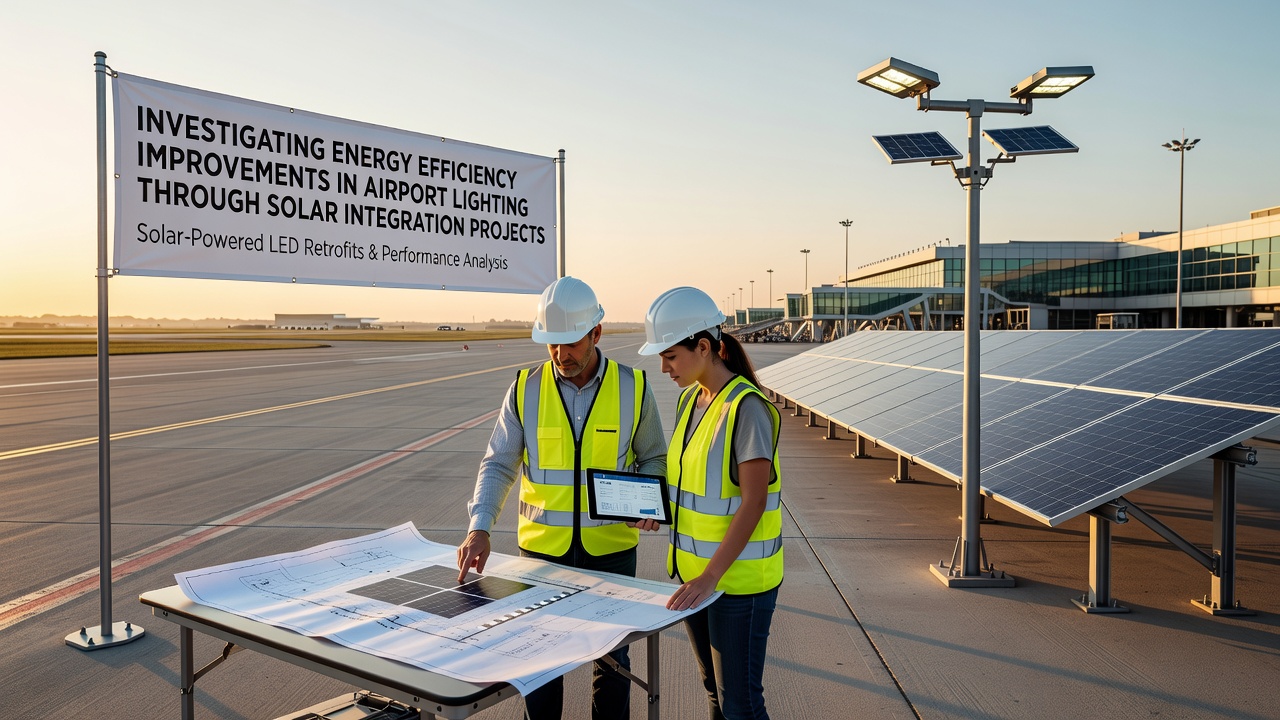
Further analysis from university-led research programs shows that payback periods for capital investment typically fall between four and seven years when local incentives for renewable energy are factored in, and operational reliability remains high even in regions with frequent cloud cover because battery reserves compensate during extended low-light intervals. Those who've reviewed the datasets emphasize that integration does not compromise safety margins, since redundant grid connections stay available as backup.
Regulatory and Planning Considerations Through 2026
Planning documents indicate that several North American and European airports have scheduled expanded solar-lighting phases to reach substantial completion by September 2026, aligning with updated environmental reporting requirements from national aviation agencies. These timelines incorporate environmental impact assessments that evaluate land-use changes and wildlife interactions, ensuring arrays do not interfere with flight paths or migratory patterns. Coordination between electrical engineers and air traffic specialists remains essential, because any modifications to lighting circuits must preserve existing certification standards while introducing new power pathways.
Challenges Encountered During Implementation
Although efficiency metrics appear favorable, project teams frequently address issues such as dust accumulation on panels in arid climates and the need for reinforced mounting structures in high-wind zones. Training programs for ground staff now include solar-specific diagnostics, and spare-parts inventories have been adjusted to cover inverter components alongside traditional lighting hardware. Evidence from completed sites suggests that initial cost premiums for integration are offset over time by lower utility bills, yet financing structures vary widely depending on whether airports pursue public grants or private partnerships.
Conclusion
Investigations into solar integration for airport lighting continue to produce concrete data on energy reductions, operational resilience, and regulatory compliance, with multiple facilities demonstrating viable pathways forward. As additional projects reach milestones around September 2026, further reports will clarify long-term performance across diverse climates and traffic volumes, providing operators with expanded benchmarks for decision-making. The accumulated evidence supports continued examination of these systems as part of broader infrastructure modernization efforts.